How to Choose a Keynote Speaker
A practical guide to choosing a speaker whose message fits the audience, the objective, and the day-of reality—not just the reel.
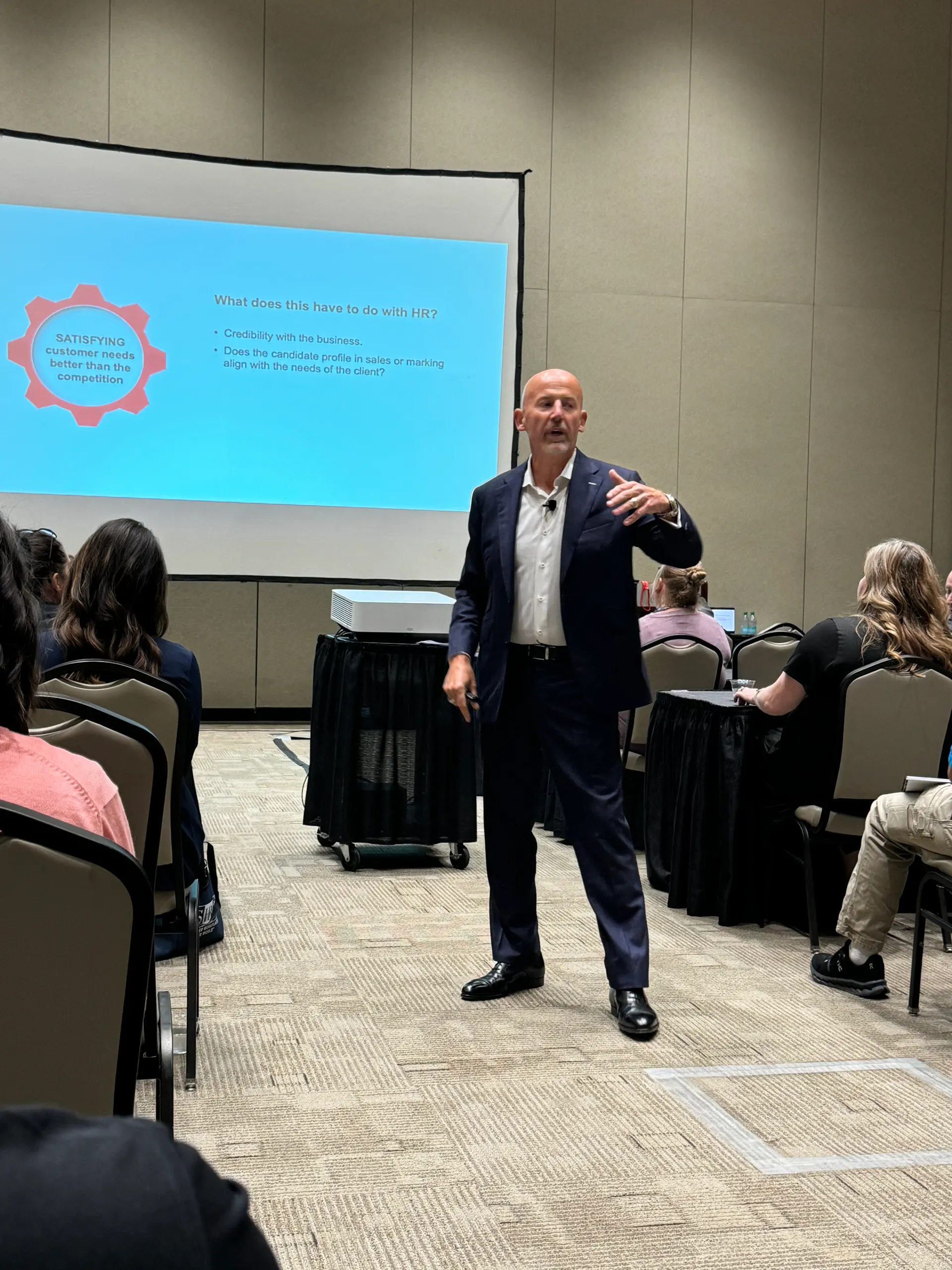
“The biggest change for me was understanding the difference between driving people and guiding them. Guiding means giving people a voice, helping them think differently, and allowing them to reach the goal without simply being told what to do.”
A polished demo reel can show delivery; it cannot establish audience fit, topic relevance, or whether the logistics will work. Start with the change your event can reasonably support, then ask each speaker for evidence from comparable audiences and a clear preparation process. Use the criteria below to build a shortlist, test the fit in conversation, and make a booking decision your committee can explain.

Deliverables
What to Look for in a Keynote Speaker
Real-world experience alongside stage experience. Ask what decisions and conditions shaped the message.
Customization you can observe. Ask what will change for your industry, roles, and event objective.
Audience-specific relevance. Match the topic to the pressure your people actually face.
A bounded next move. Look for a practice attendees can try within the keynote's scope.
Professional logistics. Check responsiveness, the technical rider, timing, travel, and who owns each handoff.
Comparable evidence. Weight named feedback and event context more heavily than broad claims without context.
Make the fit clear before you book.

Audience
This Guide Is For
Recommended
The Difference Between Good Speakers and Great Ones
Stage presence matters, but it is not evidence of relevance. Compare the speaker's topic, examples, preparation process, and proposed next move with the people in your room. Guide, Don't Drive is Steve's Human Performance operating system; its principles underpin most of his talks and develop human performance. A keynote introduces selected principles, with operating-system installation scoped separately.

Guide, Don't Drive™
How to build performance that doesn't depend on you.
Explore This Keynote
From Pressure to Performance
Turning overload into ownership and momentum for leaders who set the standard.
Explore This Keynote
The Leadership Multiplier
How executive behavior shapes culture, performance, and succession.
Explore This Keynote
Become Uncopyable
Stop competing. Start separating. Build the version of you no one can replicate.
Explore This KeynoteWhy Steve
Why Event Planners Choose Steve Lowisz
Active CEO leading seven current organizations, bringing real operational credibility
Selected Guide, Don't Drive principles from the Human Performance operating system, adapted to the topic and audience
Pre-event discovery call included to customize every keynote
500+ keynotes delivered across 50+ industries
Professional, responsive team that simplifies the planning process
Flexible formats from 45-minute keynotes to half-day workshops
A clear next step
Ready to See if Steve Is the Right Fit?
FAQ
Frequently Asked Questions
How do I know if a keynote speaker is right for my audience?
Start by identifying what you want the audience to do differently after the event. Then look for speakers who have frameworks for that specific outcome, not just motivational stories. Ask for testimonials from similar audiences and events. The best speakers will ask about your audience before you ask about their fee.
What should I ask during a speaker evaluation call?
Ask how they will customize for your audience, what their process looks like before the event, and what attendees typically say three months later. Also ask about logistics: do they provide a rider, are they responsive, and what does their team look like? The answers will tell you more than any demo reel.
How far in advance should I book a keynote speaker?
For top-tier speakers, 3 to 6 months is ideal. Popular dates in Q1 and Q4 fill fastest. If you have a specific speaker in mind, check availability early even if your event details are not finalized. Most speakers will hold a date while you work through the details.
What is the difference between a motivational speaker and a keynote speaker?
Motivational speakers focus on energy and inspiration. Keynote speakers deliver a structured message tied to a specific theme or outcome. The best keynote speakers do both: they energize the room AND give the audience practical tools they can implement immediately. Look for speakers who describe their approach as a framework or methodology, not just a talk.
How do I justify the investment in a keynote speaker to my leadership team?
Frame the decision around audience fit, the behavior or conversation you want to support, and how you will gather evidence afterward. Ask prospective speakers for comparable testimonials, event context, and a realistic preparation process. Treat any projected improvement as an assumption to test, not a promise.
Social Proof
What Leaders Are Saying
The biggest change for me was understanding the difference between driving people and guiding them. Guiding means giving people a voice, helping them think differently, and allowing them to reach the goal without simply being told what to do.
Ebonee Patterson-Martin
Senior Compensation and Performance Analyst, Dakkota Integrated Systems
For Event Planners